
Thyroid disorders are among the common hormonal conditions that can affect people of different ages. The thyroid gland plays an important role in regulating metabolism, energy levels, body temperature, heart rate, digestion and several other functions of the body. When the thyroid gland produces too little or too much hormone, it can lead to a variety of symptoms that may affect everyday life. If you are searching for the Best Thyroid Doctor in Kanpur, Dr. Pragya Jain can be considered for consultation and evaluation of thyroid-related concerns. Proper thyroid care begins with understanding the patient’s symptoms, medical history, test reports and overall health condition. Based on a medical evaluation, the doctor can determine whether further testing, treatment or regular monitoring is required.
Thyroid-related symptoms can sometimes develop gradually. A person may experience tiredness, weight changes, hair fall, mood changes or sleep problems without immediately realizing that these symptoms could be associated with thyroid dysfunction. This is why timely medical evaluation can be helpful when symptoms persist.
What Is the Thyroid Gland?
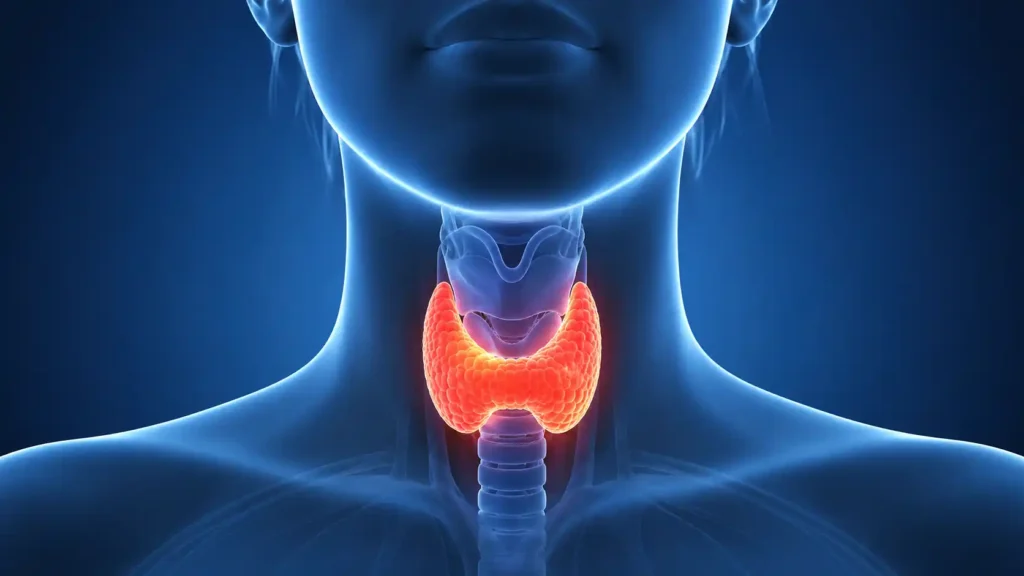
The thyroid is a small, butterfly-shaped endocrine gland located at the front of the neck. Although it is relatively small, it has an important role in maintaining several essential body functions.
The thyroid produces hormones that influence the body’s metabolic processes. These hormones help regulate:
- Energy levels
- Metabolism
- Heart rate
- Body temperature
- Digestion
- Muscle activity
- Brain function
- Growth and development
- Weight regulation
When thyroid hormone production becomes abnormal, a person may develop hypothyroidism, hyperthyroidism or other thyroid-related conditions.
Why Choose Dr. Pragya Jain for Thyroid Care in Kanpur?
Finding the right healthcare professional is an important part of managing a thyroid condition. Thyroid problems can range from mild hormone abnormalities to conditions requiring long-term treatment and monitoring.
Patients looking for the Best Thyroid Doctor in Kanpur – Dr. Pragya Jain may seek professional consultation for symptoms, abnormal thyroid reports and previously diagnosed thyroid conditions.
A comprehensive consultation may involve:
- Understanding the patient’s symptoms
- Reviewing previous medical history
- Examining relevant medical reports
- Assessing possible thyroid-related symptoms
- Recommending appropriate thyroid investigations when necessary
- Discussing treatment options
- Monitoring response to treatment
- Advising follow-up when required
The goal of thyroid care is to understand the individual patient’s condition rather than treating every patient in exactly the same way.
Common Thyroid Disorders

Thyroid disease is not a single condition. There are several thyroid disorders, and each can have different causes, symptoms and treatment approaches.
Hypothyroidism
Hypothyroidism occurs when the thyroid gland does not produce sufficient thyroid hormones for the body’s requirements.
Because thyroid hormones influence metabolism, reduced hormone levels can affect several body functions.
Common symptoms may include:
- Tiredness or low energy
- Unexplained weight gain
- Increased sensitivity to cold
- Dry skin
- Hair thinning or hair fall
- Constipation
- Difficulty concentrating
- Mood changes
- Muscle weakness
- Changes in menstrual cycles
Some people may have only a few symptoms, particularly during the early stages.
If symptoms persist, a doctor may recommend thyroid function tests to determine whether thyroid dysfunction could be contributing to them.
Hyperthyroidism
Hyperthyroidism occurs when the thyroid gland produces excessive thyroid hormones.
Because thyroid activity becomes increased, patients may experience symptoms such as:
- Unexplained weight loss
- Fast or irregular heartbeat
- Increased sweating
- Heat intolerance
- Anxiety or irritability
- Tremors
- Difficulty sleeping
- Increased appetite
- Muscle weakness
- Frequent bowel movements
Hyperthyroidism can have different causes, so medical evaluation is important to determine the appropriate management.
Thyroid Nodules
A thyroid nodule is a lump or abnormal area within the thyroid gland. Thyroid nodules are relatively common, and many are benign.
However, a newly discovered thyroid lump should not simply be ignored.
Depending on the clinical situation, the doctor may recommend:
- Thyroid function tests
- Neck examination
- Thyroid ultrasound
- Additional investigations
- Fine-needle aspiration biopsy in selected cases
The appropriate investigation depends on the size, appearance and other characteristics of the nodule.
Goiter
Goiter refers to an enlargement of the thyroid gland.
A person may notice swelling or fullness in the front of the neck. Goiter can occur for different reasons and may be associated with normal, increased or decreased thyroid hormone production.
A large goiter can sometimes cause pressure-related symptoms, such as difficulty swallowing or discomfort around the neck.
Proper evaluation can help determine the underlying cause.
Thyroiditis
Thyroiditis refers to inflammation of the thyroid gland. Different types of thyroiditis can affect thyroid hormone production in different ways.
Some forms may temporarily increase thyroid hormone levels and later result in reduced thyroid function.
Because thyroiditis can have different causes and patterns, diagnosis and follow-up are important.
When Should You Consult a Thyroid Doctor?

Many people delay consultation because thyroid symptoms can initially appear mild. However, persistent or unexplained symptoms should be discussed with a healthcare professional.
You may consider thyroid evaluation if you experience:
- Persistent fatigue
- Sudden weight changes
- Unexplained hair fall
- Abnormal TSH results
- Abnormal thyroid hormone reports
- A lump or swelling in the neck
- Persistent palpitations
- Unexplained changes in mood
- Sensitivity to heat or cold
- Menstrual irregularities
- Difficulty managing an existing thyroid condition
People who have already been diagnosed with thyroid disease may also require periodic follow-up to monitor their thyroid function and treatment response.
Thyroid Diagnosis in Kanpur

Proper diagnosis is an important part of thyroid management. Symptoms alone are generally not enough to confirm a thyroid disorder.
A doctor may consider the patient’s:
- Medical history
- Symptoms
- Physical examination
- Family history
- Current medications
- Thyroid laboratory results
- Imaging reports, where appropriate
Thyroid Function Tests
One of the commonly used initial investigations for thyroid function is the TSH test.
Depending on the patient’s symptoms and TSH results, a doctor may also recommend:
- Free T4
- Free T3
- Thyroid antibody tests
- Other blood investigations
The exact tests required depend on the individual patient’s clinical situation.
Why TSH Testing Is Important
TSH, or thyroid-stimulating hormone, is produced by the pituitary gland and helps regulate thyroid hormone production.
An abnormal TSH level can indicate that the thyroid may not be functioning normally. However, TSH results should be interpreted along with other clinical information rather than considered in isolation.
Thyroid Ultrasound
A thyroid ultrasound may be recommended when a patient has a thyroid lump, enlargement or suspected thyroid nodule.
Ultrasound can help evaluate characteristics such as:
- Size of the thyroid
- Number of nodules
- Nodule size
- Internal appearance
- Borders
- Other structural features
Depending on the ultrasound findings, additional evaluation may be recommended.
Fine-Needle Aspiration
For selected thyroid nodules, a doctor may recommend fine-needle aspiration, commonly called FNA.
This procedure involves obtaining a small sample of cells from the thyroid nodule for laboratory evaluation.
Not every thyroid nodule requires a biopsy. The decision depends on clinical and imaging characteristics.
Thyroid Treatment in Kanpur
Thyroid treatment depends on the underlying condition.
There is no single treatment that is appropriate for every thyroid patient. A doctor considers the diagnosis, severity, symptoms, laboratory results and other health factors before determining a management plan.
Treatment for Hypothyroidism
Hypothyroidism is commonly managed with thyroid hormone replacement medication when clinically indicated.
The dose is individualized and may need adjustment based on follow-up thyroid function tests and the patient’s response.
Patients taking thyroid medication should follow their doctor’s instructions and should not independently increase, decrease or stop their medication.
Management of Thyroid Nodules

Many thyroid nodules do not require immediate treatment and may simply need observation.
However, nodules with concerning characteristics may require additional investigation or treatment.
Depending on the findings, management may include:
- Periodic ultrasound
- Thyroid function testing
- Fine-needle aspiration
- Specialist evaluation
- Surgical treatment when clinically indicated
Thyroid and Women’s Health
Thyroid hormones can have an important relationship with women’s hormonal and reproductive health.
Thyroid dysfunction may sometimes be associated with:
- Menstrual irregularities
- Changes in menstrual flow
- Fertility concerns
- Pregnancy-related thyroid abnormalities
- Fatigue
- Weight changes
- Hair fall
Women experiencing persistent symptoms should undergo appropriate medical evaluation rather than assuming that the symptoms are caused solely by thyroid disease.
Thyroid During Pregnancy
Thyroid function can require special attention during pregnancy because thyroid hormones are important for maternal health and fetal development.
Women who have a history of thyroid disease or who develop symptoms or abnormal thyroid tests during pregnancy should discuss their condition with their healthcare provider.
Medication doses may sometimes require adjustment during pregnancy, so pregnant women should never make changes to thyroid medication without medical advice.
Thyroid and Weight Management
Weight changes are one of the most frequently discussed symptoms associated with thyroid disease.
Hypothyroidism can contribute to weight gain in some people, while hyperthyroidism can result in weight loss.
However, body weight is influenced by many factors, including:
- Diet
- Physical activity
- Sleep
- Stress
- Age
- Hormonal factors
- Medications
- Other medical conditions
Therefore, thyroid disease should not automatically be assumed to be the cause of every unexplained weight change.
If you have unexplained weight gain or weight loss along with other symptoms, thyroid evaluation may be appropriate.
Thyroid and Hair Fall
Hair fall can be concerning, particularly when it develops suddenly or becomes persistent.
Thyroid dysfunction can sometimes contribute to hair thinning or excessive hair shedding. However, other causes may include nutritional deficiencies, stress, hormonal changes, certain medications and scalp conditions.
If hair loss continues despite lifestyle changes, a doctor can help determine whether thyroid testing or other investigations may be appropriate.
Thyroid and Lifestyle Management
Medical treatment is the most important aspect of managing a diagnosed thyroid disorder, but a healthy lifestyle can support overall health.
Eat a Balanced Diet
A balanced diet should include a variety of nutritious foods such as vegetables, fruits, whole grains, appropriate protein sources and healthy fats.
People with thyroid disorders should be cautious about following extreme diets or taking supplements without professional advice.
Exercise Regularly
Regular physical activity can support cardiovascular health, muscle strength, energy and overall well-being.
The type and intensity of exercise should be appropriate for the individual’s health condition.
Maintain a Healthy Sleep Routine
Adequate sleep is important for overall health. Maintaining consistent sleep and wake times may help support energy levels and general well-being.
Avoid Self-Medication
Patients should avoid starting thyroid medicines, supplements or herbal products without appropriate medical advice.
Taking unnecessary thyroid-related supplements can sometimes interfere with treatment or laboratory testing.
Why Regular Thyroid Follow-Up Is Important
Thyroid management may require periodic monitoring, particularly for patients taking long-term medication.
Follow-up can help evaluate:
- Thyroid hormone levels
- Treatment response
- Changes in symptoms
- Medication requirements
- Development or progression of thyroid nodules
- Overall health status
A patient should follow the recommended testing and consultation schedule rather than relying only on symptoms.
How Dr. Pragya Jain Can Help With Thyroid Concerns
If you are looking for the Best Thyroid Doctor in Kanpur, Dr. Pragya Jain can provide consultation for people concerned about thyroid-related symptoms or abnormal thyroid reports.
A consultation can help patients better understand:
- What their thyroid test reports mean
- Whether their symptoms could be thyroid-related
- What additional investigations may be required
- Whether treatment is necessary
- How thyroid conditions can be monitored
- When follow-up testing may be appropriate
A patient-centered approach can help make thyroid care more structured and easier to understand.
Frequently Asked Questions About Thyroid Problems
Who is the Best Thyroid Doctor in Kanpur?
If you are searching for the Best Thyroid Doctor in Kanpur, Dr. Pragya Jain is a doctor patients can consider for evaluation and management of thyroid-related concerns. The right healthcare professional for an individual ultimately depends on their diagnosis, symptoms and treatment needs.
What are the common symptoms of hypothyroidism?
Common symptoms can include tiredness, weight gain, cold intolerance, dry skin, constipation, hair fall, low energy and difficulty concentrating.
What are the symptoms of hyperthyroidism?
Hyperthyroidism may cause weight loss, increased sweating, heat intolerance, rapid heartbeat, anxiety, tremors, increased appetite and difficulty sleeping.
Can thyroid problems cause weight gain?
Yes, hypothyroidism can contribute to weight gain in some people. However, weight gain has many possible causes and should be medically evaluated when it is unexplained or persistent.
Can thyroid disease cause hair fall?
Thyroid dysfunction can contribute to hair loss or thinning in some patients. Other causes of hair loss are also common, so proper evaluation is important.
Is thyroid disease permanently curable?
It depends on the specific thyroid condition. Some thyroid disorders can be temporary, while others may require long-term treatment and monitoring.
Can I stop my thyroid medicine when my TSH becomes normal?
Do not stop or change thyroid medication without discussing it with your doctor. A normal TSH level may indicate that the prescribed treatment is working effectively.
How often should thyroid tests be done?
The frequency of thyroid testing depends on the diagnosis, medication, symptoms and treatment response. Your doctor can recommend an appropriate testing schedule.
Can thyroid problems affect women?
Yes. Thyroid dysfunction can sometimes affect menstrual cycles, fertility, pregnancy and overall hormonal health.