
High blood pressure, commonly known as BP or hypertension, is a common health problem that can affect people of different age groups. In many cases, high BP develops without noticeable symptoms, which is why it can remain undetected for a long time. However, uncontrolled blood pressure may gradually affect important organs such as the heart, brain, kidneys, and blood vessels. If you are looking for a BP Specialist Doctor in Kanpur, Dr. Pragya Jain provides medical consultation and management for patients dealing with high blood pressure, low blood pressure, diabetes, cholesterol problems, obesity, thyroid-related concerns, and other general health conditions.
Blood pressure management is not only about bringing a high reading down. A proper evaluation also involves understanding the patient’s lifestyle, medical history, family history, weight, blood sugar, cholesterol, and other factors that may influence overall health.
What Is Blood Pressure?

Blood pressure refers to the pressure created by circulating blood against the walls of the arteries. It is measured using two numbers.
Systolic Blood Pressure
The upper number represents the pressure in the arteries when the heart contracts and pumps blood.
Diastolic Blood Pressure
The lower number represents the pressure when the heart relaxes between beats.
Blood pressure naturally changes throughout the day depending on activity, stress, sleep, food, caffeine, medications, and other factors. Therefore, one unusual reading does not always mean that a person has hypertension.
Repeated high readings should be evaluated by a qualified physician to determine whether further monitoring or treatment is required.
Why Is High Blood Pressure a Concern?
High BP may not cause obvious problems in the beginning. This can make people ignore it, especially when they feel perfectly healthy.
However, blood vessels are continuously exposed to increased pressure when hypertension remains uncontrolled. Over time, this may contribute to cardiovascular and other health complications.
Long-term high blood pressure can increase the risk of problems involving:
- Heart and blood vessels
- Brain and circulation
- Kidneys
- Eyes
- Overall cardiovascular health
This is why early detection, regular monitoring, and appropriate management are important.(BP Specialist Doctor in Kanpur )
When Should You Visit a BP Specialist Doctor in Kanpur?
You should consider consulting a physician if your blood pressure readings are repeatedly higher than the recommended range or if you have been told during a health checkup that your BP is elevated.
Medical consultation can be especially important if you also have:
- Diabetes
- High cholesterol
- Obesity or excess weight
- Thyroid problems
- Kidney-related concerns
- A family history of hypertension
- Previous cardiovascular risk factors
- Frequent headaches or dizziness
- Unexplained fatigue
A doctor can evaluate your overall health and determine whether lifestyle changes, monitoring, medication, or additional investigations are appropriate.
Symptoms of High Blood Pressure
One of the biggest challenges with hypertension is that it may not produce obvious symptoms.
Some people with elevated BP may experience:
- Headache
- Dizziness
- Weakness or unusual tiredness
- Shortness of breath
- Palpitations
- Blurred vision
- Chest discomfort
However, these symptoms can occur due to many different conditions. They should not be used alone to determine whether your BP is high.
The most reliable way to identify high blood pressure is to measure it regularly. (BP Specialist Doctor in Kanpur )
Common Causes and Risk Factors of High BP
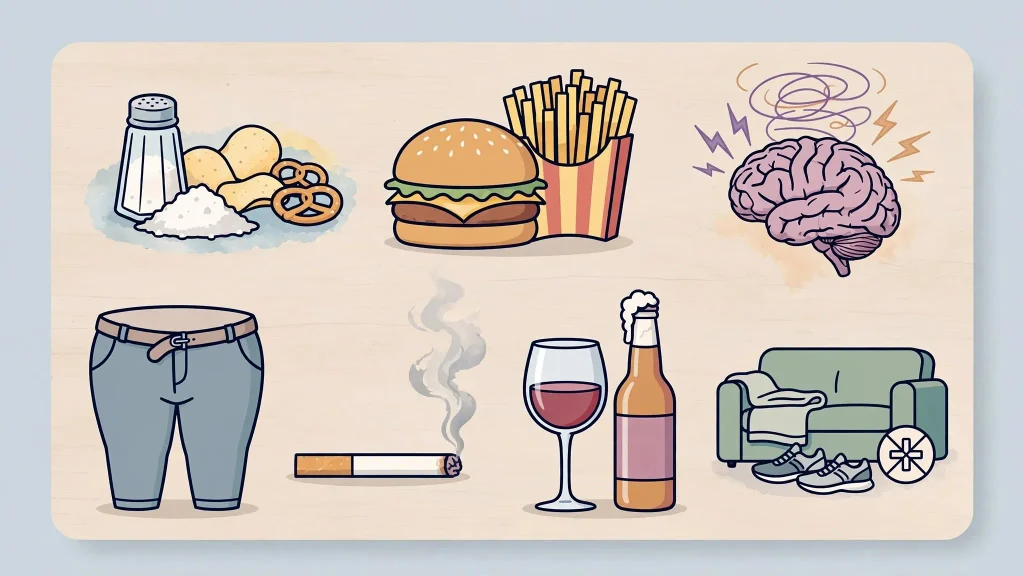
Hypertension can develop because of multiple factors. Sometimes there is no single identifiable cause, while in other cases certain medical conditions or lifestyle factors may contribute.
Family History
A family history of high blood pressure may increase your likelihood of developing hypertension.
Excess Salt Intake
Regular consumption of foods containing excessive sodium may contribute to increased BP in some individuals.
Packaged snacks, processed foods, pickles, sauces, and other salty foods can increase daily sodium intake.
Lack of Physical Activity
A sedentary lifestyle may contribute to weight gain, poor cardiovascular fitness, and increased metabolic risk.
Excess Body Weight
Being overweight can place additional stress on the cardiovascular system and is associated with a greater risk of hypertension.
Stress
Persistent psychological stress may affect sleep, eating habits, physical activity, and other behaviours that can influence blood pressure.
Diabetes and Cholesterol
Diabetes, high cholesterol, and hypertension often occur together. When multiple risk factors are present, overall cardiovascular risk may also increase.
BP Checkup and Diagnosis in Kanpur
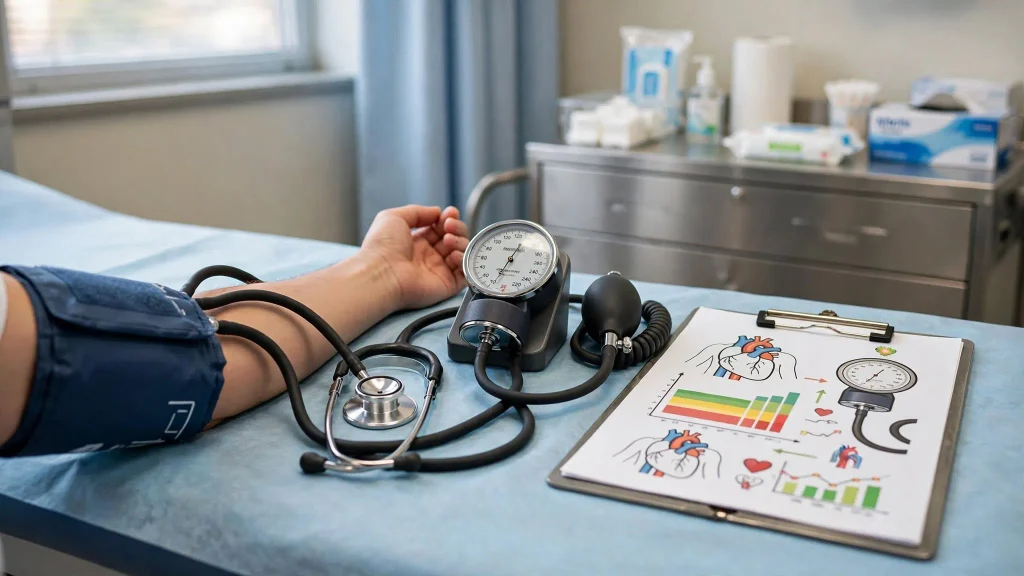
A proper BP evaluation involves more than checking the blood pressure once.
During a consultation, a physician may review:
- Previous BP readings
- Current symptoms
- Medical history
- Family history
- Current medications
- Diet and lifestyle
- Physical activity
- Body weight
- Blood sugar
- Cholesterol
- Other relevant health conditions
Depending on the individual situation, the doctor may recommend additional investigations or regular BP monitoring.
Home Blood Pressure Monitoring
Home monitoring can be useful for people who need to keep track of their BP regularly.
If your doctor recommends monitoring at home, try to maintain a record of your readings rather than checking randomly and forgetting the results.
A simple record can include:
Date – Time – BP Reading – Pulse – Symptoms
Sharing these readings during your consultation can give the physician a better understanding of your BP pattern.
It is also important to use a properly functioning and appropriately sized BP monitor and follow correct measurement practices.
High BP Treatment in Kanpur
The treatment of hypertension varies from person to person. There is no single treatment plan that is suitable for everyone.
Depending on your BP levels and overall health, management may include lifestyle changes, medication, or both.
Lifestyle Management
Healthy lifestyle habits can form an important part of BP management.
Your doctor may advise you to:
- Reduce excessive salt intake
- Eat a balanced diet
- Stay physically active
- Maintain a healthy body weight
- Reduce highly processed foods
- Avoid tobacco
- Limit alcohol consumption
- Get adequate sleep
- Manage stress
- Monitor BP regularly
These changes should be realistic and sustainable rather than based on extreme diets or short-term measures.
Medication for Hypertension
Some patients require medicines to keep their BP under control.
There are different types of medicines used for hypertension, and the appropriate medicine depends on factors such as BP levels, age, kidney function, diabetes, cardiovascular risk, and other medical conditions.
If you are already taking BP medication, do not stop or change your dose on your own, even if your BP becomes normal.
A normal reading may mean that your treatment is working effectively.
Managing BP With Diabetes
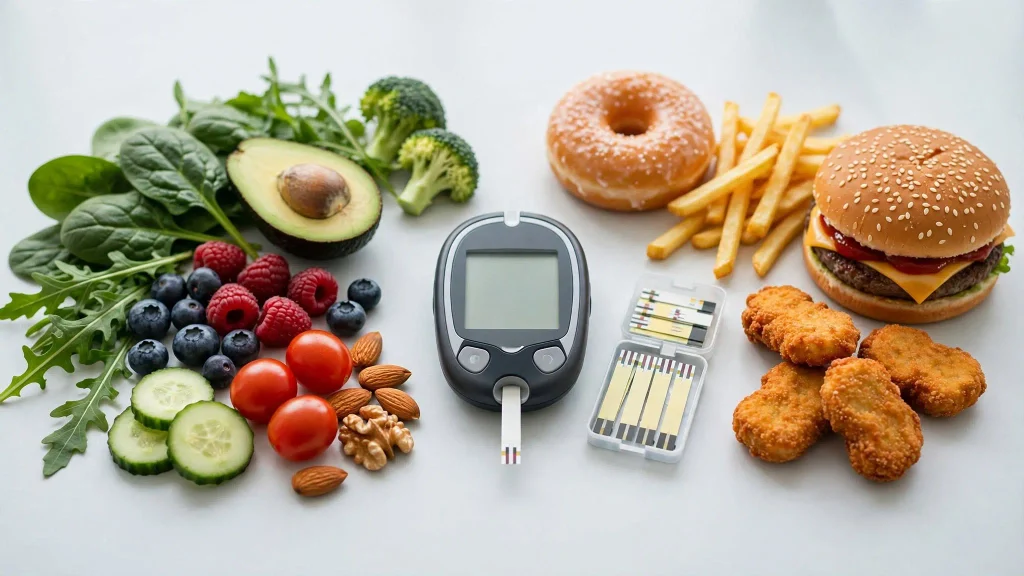
Diabetes and hypertension frequently occur together. When both conditions are present, managing one without considering the other may not provide a complete picture of the patient’s health.
A physician may monitor several factors, including:
- Blood pressure
- Blood glucose
- HbA1c
- Cholesterol
- Body weight
- Kidney health
- Overall cardiovascular risk
Regular follow-up can help ensure that the treatment plan remains appropriate as your health changes.
High BP and Cholesterol
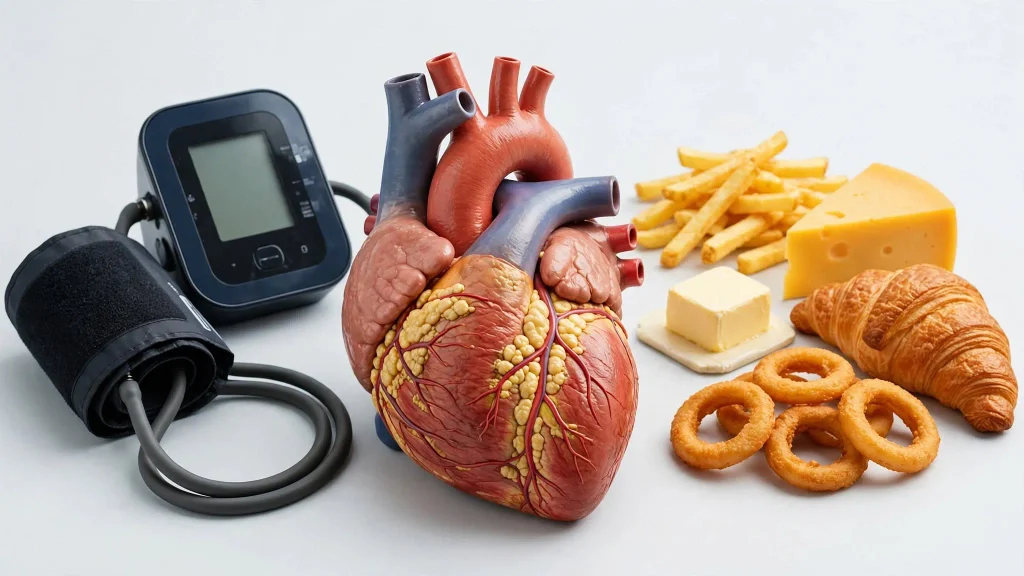
High blood pressure and abnormal cholesterol levels are both important cardiovascular risk factors.
When a person has high BP along with high cholesterol, diabetes, obesity, or other metabolic problems, the overall risk profile may be different from that of a person with only one condition.
This is why a complete health assessment is often more useful than focusing on BP alone.
Dr. Pragya Jain provides consultation for patients who require medical management of blood pressure, diabetes, cholesterol, obesity, thyroid problems, and other lifestyle-related conditions.
High BP and Obesity
Excess weight may be associated with increased blood pressure and other metabolic health concerns.
For patients who are overweight, gradual weight management may form part of a comprehensive BP management plan.
A physician can help you understand how your:
- Diet
- Weight
- Physical activity
- Blood sugar
- Cholesterol
- BP
- Lifestyle
are connected and what changes may be appropriate for your individual situation.
The focus should be on sustainable improvement rather than rapid or unrealistic weight-loss goals.
Low Blood Pressure – Should You Be Concerned?
Blood pressure that is lower than usual is not always a problem. However, low BP can become a concern when it causes symptoms or occurs because of an underlying health issue.
Possible symptoms include:
- Dizziness
- Light-headedness
- Weakness
- Blurred vision
- Fainting
- Fatigue
Low BP may be associated with dehydration, certain medicines, blood loss, infections, nutritional issues, or other medical conditions.
If you frequently experience low BP or symptoms such as fainting and severe dizziness, medical evaluation is recommended.
Who Should Monitor Blood Pressure Regularly?
Regular BP checks can be particularly useful for people with certain risk factors.
These include individuals with:
- Family history of hypertension
- Diabetes
- High cholesterol
- Obesity
- Kidney problems
- Previous cardiovascular concerns
- Sedentary lifestyle
- High levels of stress
- Previous high BP readings
Even if you feel healthy, periodic health checkups can help detect elevated BP at an early stage.
Preventive Healthcare for Blood Pressure
Good BP management should ideally begin before serious complications develop.
Preventive healthcare focuses on identifying health risks early and taking appropriate steps to manage them.
A preventive health assessment may consider:
- Blood pressure
- Blood sugar
- Cholesterol
- Weight
- Diet
- Physical activity
- Family history
- Lifestyle habits
- Other existing health conditions
This broader approach can be particularly useful for adults who have multiple risk factors.
Lifestyle Tips to Support Healthy BP
Along with medical advice, everyday habits can have an important role in maintaining cardiovascular health.
Choose a Balanced Diet
Include vegetables, fruits, whole grains, pulses, and other nutrient-rich foods in your regular diet. Try to reduce excessive salt and highly processed foods.
Stay Physically Active
Regular physical activity can support cardiovascular fitness and healthy body weight. The type and intensity of exercise should be appropriate for your age and health status.
Maintain a Healthy Weight
If you are overweight, gradual weight management can support better metabolic and cardiovascular health.
Get Adequate Sleep
Poor sleep may negatively affect several aspects of health. Maintaining a regular sleep routine can support overall well-being.
Manage Stress
Stress management can include physical activity, relaxation techniques, hobbies, adequate sleep, and maintaining a healthy daily routine.
Take Medicines as Prescribed
If medication has been prescribed for hypertension, take it according to your doctor’s instructions. Never make changes to your medication without medical advice.
When Is High BP an Emergency?
Most people with high BP do not require emergency treatment every time they record an elevated reading. However, a very high BP reading accompanied by serious symptoms can require urgent medical attention.
Seek emergency care if severe BP elevation occurs with symptoms such as:
- Severe chest pain
- Difficulty breathing
- Sudden weakness or numbness
- Difficulty speaking
- Sudden vision changes
- Severe confusion
- Loss of consciousness
- Severe or unusual headache
In such situations, do not delay emergency medical care.
Why Choose Dr. Pragya Jain for BP Management in Kanpur?
Choosing a doctor for hypertension management involves more than looking for someone who treats high BP.
Dr. Pragya Jain approaches BP concerns in the context of the patient’s overall health. This is particularly relevant for patients who also have diabetes, cholesterol problems, obesity, thyroid-related concerns, or other lifestyle-related conditions.
The focus is on understanding the patient’s health profile, identifying relevant risk factors, and providing appropriate medical guidance and follow-up.
If you have recently been diagnosed with hypertension or have been struggling with fluctuating BP readings, a professional medical evaluation can help you understand the next steps.
BP Specialist Doctor in Kanpur – Dr. Pragya Jain
If you are searching online for a BP Specialist Doctor in Kanpur, BP Doctor in Kanpur, High BP Doctor in Kanpur, or Hypertension Doctor in Kanpur, Dr. Pragya Jain provides physician consultation for blood pressure and related health concerns.
Whether your concern is newly diagnosed high BP, fluctuating readings, low BP symptoms, or hypertension associated with diabetes and cholesterol, getting appropriate medical advice can help you manage your health more effectively.
Do not ignore repeated abnormal BP readings simply because you do not have symptoms. Regular monitoring and timely medical consultation can play an important role in long-term health.
Book an appointment With Dr. Pragya Jain
If you are concerned about high BP, low BP, hypertension, or related metabolic health problems, consult a qualified physician for proper evaluation.
Dr. Pragya Jain – Physician in Kanpur
For appointments: 9196171481
Get medical guidance based on your individual health condition rather than relying on self-medication or internet advice.
Frequently Asked Questions About Blood Pressure-
Can high blood pressure occur without symptoms?
Yes. Many people with hypertension do not experience noticeable symptoms. Regular BP measurement is therefore important, especially when risk factors are present.
Is one high BP reading enough to diagnose hypertension?
Not necessarily. Blood pressure can temporarily increase due to stress, physical activity, pain, caffeine, or other factors. Repeated measurements and medical evaluation may be needed.
Can lifestyle changes help control high BP?
Healthy eating, reducing excessive salt, maintaining a healthy weight, staying physically active, getting adequate sleep, and managing stress may support better BP control. The appropriate approach depends on the individual.
Can I stop my BP medicine when my BP becomes normal?
Do not stop prescribed BP medication without consulting your doctor. Normal readings may indicate that the treatment is controlling your BP effectively.
How often should I check my BP?
The frequency depends on your BP levels, medical history, medications, and doctor’s advice. Some people may need regular home monitoring, while others may only require periodic checks.
Can diabetes and high BP occur together?
Yes. Diabetes and hypertension commonly occur together. When both are present, regular monitoring and comprehensive medical management become particularly important.
When should I see a BP doctor?
Consider consulting a physician if you repeatedly record elevated BP, experience symptoms associated with BP changes, have diabetes or high cholesterol, or have other cardiovascular risk factors.